About Pilipuka
An automated case analysis tool helping legal professionals determine expungement eligibility under Hawai'i law.
The Need for Expungement
According to the ACLU of Hawai'i, nearly 1 in 2 Hawai'i residents have a criminal record. With nearly 9 in 10 employers, 4 in 5 landlords, and 3 in 5 colleges using background checks, the existence of arrest and conviction records—no matter how minor—pose persistent barriers to employment, housing, and education.
Hawai'i law provides several pathways for clearing these records. Under HRS §831-3.2, individuals who were arrested for or charged with—but not convicted of—a crime may apply for expungement of their non-conviction arrest records through the Attorney General's Hawai'i Criminal Justice Data Center (HCJDC).1 The state also provides for the expungement of certain convictions, including first- and second-time drug offenses (§706-622.5, §706-622.8), first-time property offenses (§706-622.9), and underage impaired driving offenses (§291E-64(e)).2 Yet despite these pathways, about 432,000 Hawai'i residents have at least one record eligible for expungement—roughly one-third of the islands' population—and fewer than 1,500 apply each year.3
The application process provided through the HCJDC can be confusing for those with little familiarity with the legal system, posing a pressing access to justice issue. While the Department of the Attorney General expunges around 1,000 cases every year, countless records aren't wiped—often because eligible individuals don't apply.3 For marijuana offenses alone, 52,000 records are eligible for expungement but only 52 have been successfully cleared since decriminalization.4
Recent legislative efforts have sought to address this gap. In 2024, Governor Josh Green signed Act 241 (SB 2706), establishing a Clean Slate Expungement Task Force to develop a state-initiated record-clearing program.5 He also signed Act 62, which created a pilot project for the state-initiated expungement of non-conviction drug arrests in Hawai'i County.6 Through the pilot, the AG's Office expunged 1,321 records, though the process revealed significant challenges: limited data in the state's criminal justice information system, difficulties obtaining records from arresting agencies, and the need for extensive manual review to verify eligibility.7 Concerns were also raised about clearing such records without income from the expungement application fees currently required. Given state agency concerns, the future of state-initiated record clearing is uncertain.
Expungement to some degree was included in the 2026 legislative session. H.B. 2279 and its companion S.B. 3098 would codify the Hawai'i Supreme Court's decision in Barker v. Young, 153 Hawai'i 144 (2023), which held that individuals arrested for or charged with a crime but convicted only of a violation are eligible for expungement, since a "violation" is not a "crime" under HRS §701-107.8
With no state committment to a state-initiated record clearing program, solutions to make exungement accessible are needed. The Pilipuka Agent aims to make expungement more accessible by empowering attorneys and legal professionals under their supervision to review and assess cases much more quickly. The tool analyzes court records to identify and assess expungement eligibility. The tool also provides an easy link to the state expungement request form, which needs to then be physically printed and submitted for processing with the required government fee.
Over time, direct access to Judiciary records based on party name searches could make the tool even easier to use, removing the need for the manual steps of downloading eCourt Kokua records and uploading them into the tool. It remains unclear, however, whether that level of access would ever be made available.
Sources
- HRS §831-3.2; Hawai'i Criminal Justice Data Center, "Expungements," ag.hawaii.gov/hcjdc/expungements/.
- HRS §706-622.5; §706-622.8; §706-622.9; §291E-64(e); Hawai'i Criminal Justice Data Center, "Expungements," ag.hawaii.gov/hcjdc/expungements/.
- Honolulu Civil Beat, "A Third of Hawai'i Could Get Criminal Records Cleared. Few Do" (January 14, 2026).
- Ashley Mizuo, "Few people have successfully expunged their marijuana possession records," Hawai'i Public Radio (2024).
- S.B. 2706, Act 241, Session Laws of Hawai'i 2024; Spectrum News Hawai'i, "Task force to develop record-expungement program" (July 26, 2024).
- Act 62, Session Laws of Hawai'i 2024; Hawai'i Public Radio, "Here's how a pilot program to clear marijuana possession records is going" (January 25, 2025).
- Anne Lopez, "Report on the Pilot Project to Expunge Certain Arrest Records," State of Hawai'i Department of the Attorney General (December 2024); Honolulu Civil Beat (January 14, 2026).
- Barker v. Young, 153 Hawai'i 144 (2023); Hawai'i News Now, "Thousands could have their arrest records expunged after state Supreme Court ruling" (May 16, 2023).
The Pilipuka Project & Team
The project started following NHLC participation in cross-community efforts to bring expungement clinics to O'ahu. On March 24, 2023 a Kahuku Expungement Clinic aimed at assisting kanaka who had protested the windmills in Kahuku was held. In September 2024, a free legal clinic in Wai'anae offered residents the chance to clear minor criminal records. Two more clinics followed on January 11, 2025 in Waimanalo and another in September 2025 in Honolulu.
Those clinics demonstrated community interest in help with expungement, and also that meeting the need can be a heavy lift for legal aid and volunteer attorneys. Innovators at the UH Law School contributed a plugin they developed for Chrome that used technology available at the time to assist in assessing expungement eligibility, so that volunteers could make faster assessments at clinic events and in the pre-registration intake process before each event. The tool, however, did not provide analysis as to its decision-making to help lawyers verify the accuracy of its conclusions and indicated that it could not determine the expungability of many records.
NHLC student interns wanted to see if they could help improve the technological tools available, noting that Native Hawaiians are overrepresented in the criminal justice-impacted population in Hawai'i and expungement could therefore have a significant impact on Native Hawaiian families.
The following team began work early in 2025 to create Pilipuka with the power of AI technologies that were rapidly becoming available and increasingly reliable. Team members are listed in alphabetical order by surname.
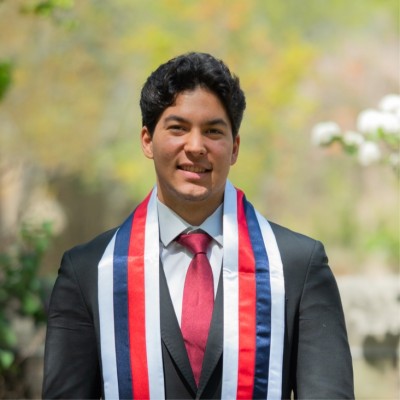
Kala'i Anderson
Kala'i contributed to Pilipuka as part of his Kuhio Congressional Fellowship supported by the Kawānanakoa Foundation. He has contributed to the product design, development, and testing.

Pablo Castro
Pablo provides project management for Pilipuka, coordinating between the legal team and technical contributors to ensure the tool meets the needs of legal professionals and the communities they serve.
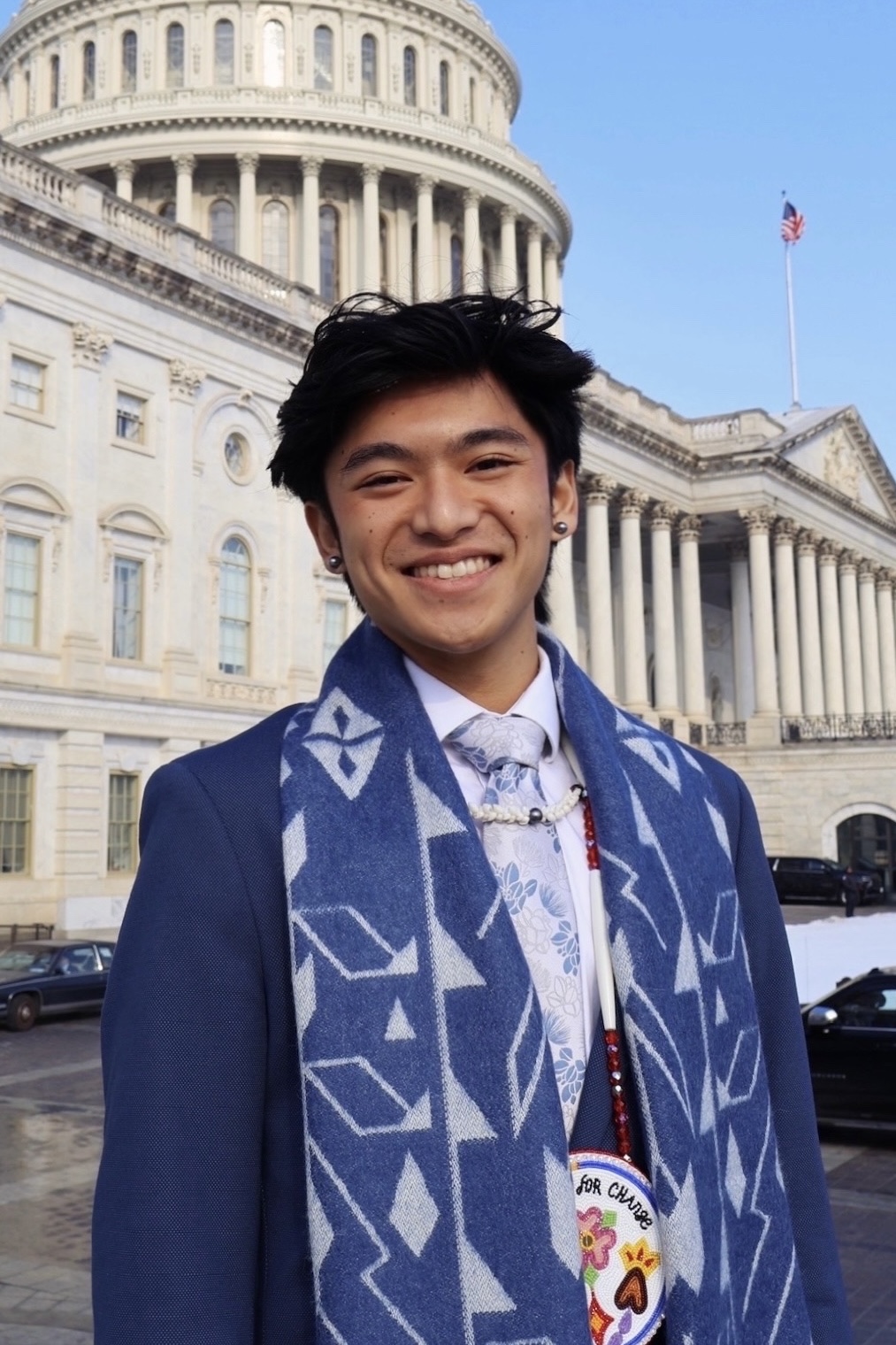
Joshua Ching
Joshua began working on this project while a student summer intern from Yale University at NHLC. He conducted extensive research into the need case for the tool and the legal and current policy landscape for Clean Slate law in Hawai'i, and has contributed to the project design, development, and testing.

Kirsha Durante
Kirsha served as Litigation Director at NHLC during the project's development. She also spent 16 years at the Public Defender's Office with deep experience in criminal law.

Makalika Naholowa'a
Makalika served as Executive Director at NHLC during the project's development. She has been an attorney for more than 15 years and has experience in technology law.

Dawn Nekoba
Dawn is an attorney and former public defender. She has a history of volunteerism to assist criminal justice-impacted individuals to seek expungement and compassionate release. Dawn contributed legal expertise and testing assistance to the project.
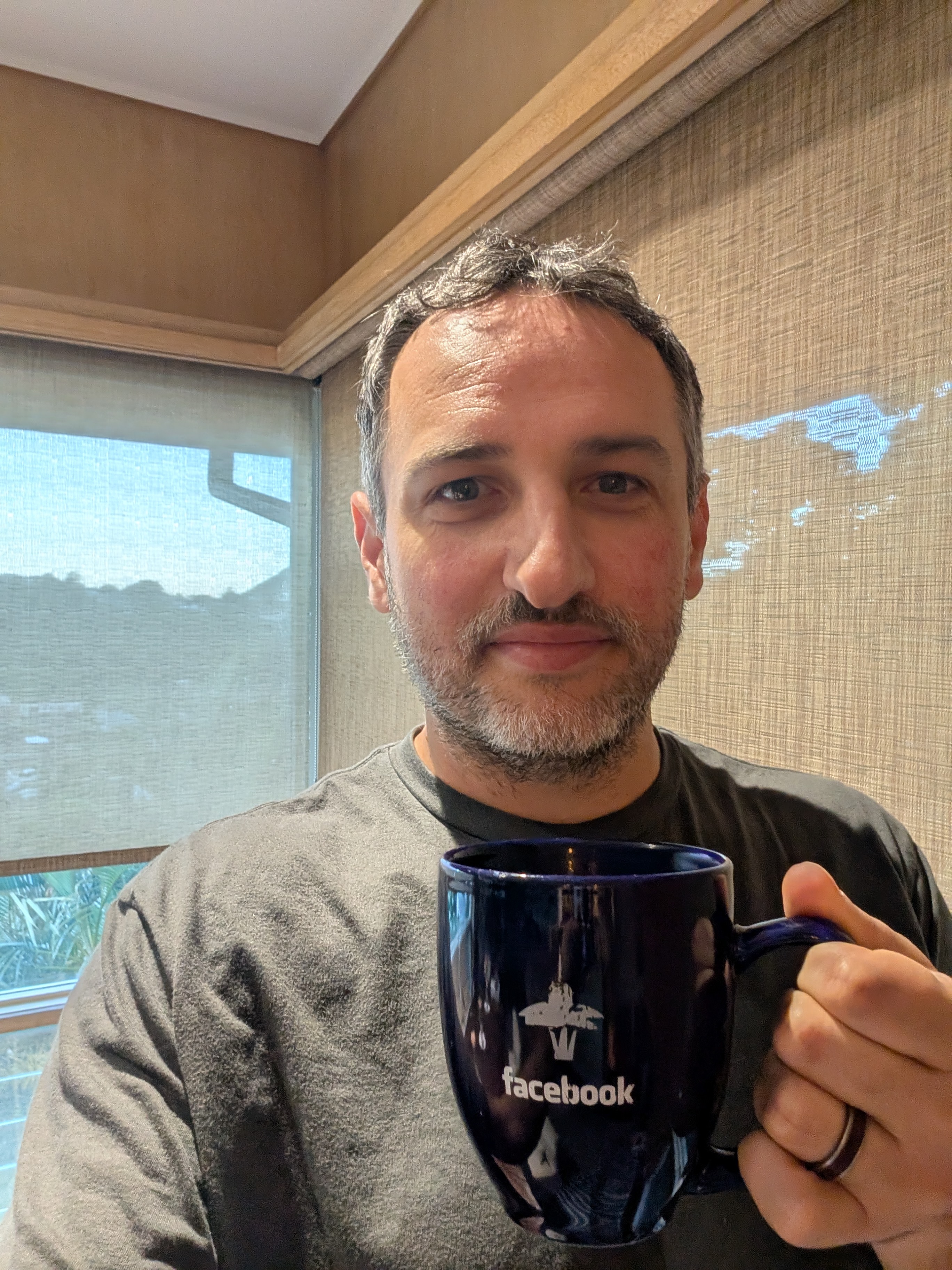
Alexandru Petrescu
Alex is responsible for the technical implementation of Pilipuka, building and maintaining the software that powers the automated case analysis tool.